
The Application of Peptides in the Research Field Continues to Deepen, Assisting the Innovative Development of Life Sciences

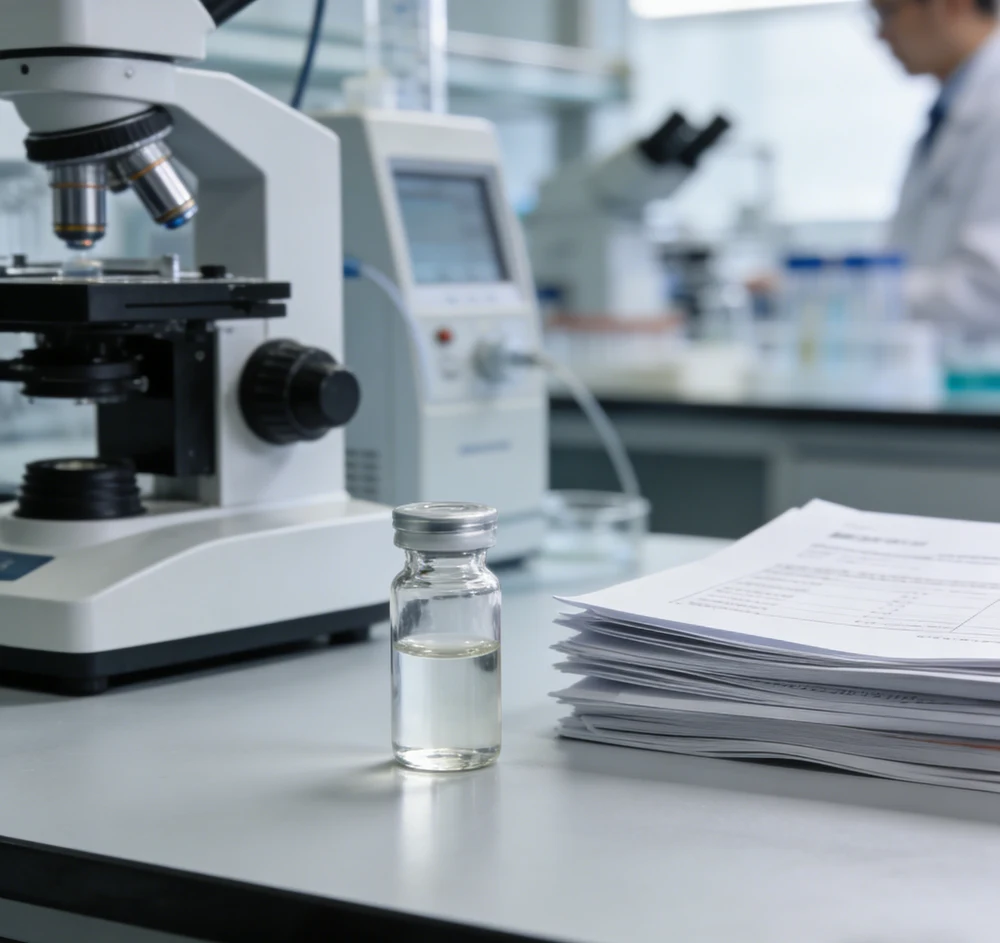
In the field of life science research, peptides, as a class of substances with unique biological activities and functions, have been widely concerned and applied. In recent years, with the continuous deepening of research, the application of peptides in the research field has been continuously expanded and deepened, playing an increasingly important role in exploring life activity mechanisms, studying disease occurrence and development rules, and developing new research methods, and strongly assisting the innovative development of life sciences.
In the research of life activity mechanisms, peptides are important research tools. They are involved in various life activities such as cell signal transduction, material metabolism, and immune regulation, and play a key regulatory role. Through the study of peptides, researchers can deeply understand the molecular mechanism of life activities, clarify the interaction relationship between various substances in organisms, and lay a theoretical foundation for the in-depth development of life science research. For example, in the research of cell signal transduction, peptides can be used as signal molecules or inhibitors to regulate the signal transduction pathway, helping researchers clarify the mechanism of signal transduction and its role in life activities.
In the research of disease occurrence and development rules, peptides also show unique advantages. Many diseases are closely related to the abnormal expression or function of peptides. By studying the changes of peptides in the body of patients with diseases, researchers can find potential disease markers, clarify the occurrence and development mechanism of diseases, and provide important clues for the diagnosis and treatment of diseases. At the same time, peptides can also be used as research tools to simulate the occurrence and development process of diseases, helping researchers carry out in-depth research on disease pathogenesis and develop new diagnostic and therapeutic methods.
In the development of new research methods, the application of peptides has also brought new breakthroughs. Researchers have developed a series of new research technologies and methods based on peptides, such as peptide chips, peptide probes, etc., which have improved the efficiency and accuracy of research. Peptide chips can realize high-throughput detection and analysis of biological samples, helping researchers quickly screen target molecules and improve research efficiency. Peptide probes can specifically bind to target substances, realizing the positioning and detection of target substances in organisms, providing a powerful tool for the in-depth study of life activities.
The continuous deepening of the application of peptides in the research field has also promoted the close combination of the peptide industry and the life science research field. Many enterprises and research institutions have carried out in-depth cooperation, jointly carried out research on peptide application technologies, promoted the transformation and application of scientific and technological achievements, and formed a good pattern of mutual promotion and common development. In the future, with the continuous progress of life science research and peptide technology, the application of peptides in the research field will be more extensive and in-depth, bringing more new opportunities for the innovative development of life sciences.